
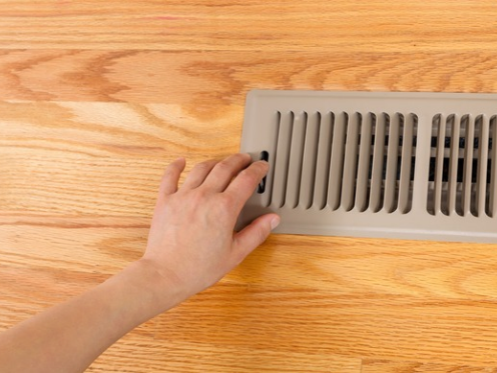
Expecting warm air and getting a blast of cold instead is unsettling during a frigid Wisconsin winter. When your furnace is on, you count on it to keep your home comfortable. While a brief puff of cool air when the system first starts can be normal, a steady stream of cold air is a clear sign something is wrong.
A furnace that blows cold air means an interruption in the heating cycle. The problem could be related to the thermostat, fuel supply, ignition, or airflow. Understanding potential causes helps you know when to call a professional for help.
Why Is My Furnace Blowing Cold Air?
When your furnace starts blowing cold air, it’s typically because the burners have shut off, but the blower fan continues to run. This is often a safety feature designed to prevent serious damage to the system. The fan might continue operating to cool down an overheated heat exchanger or to clear unburned fuel after a failed ignition attempt.
The reasons your furnace isn’t heating range from simple settings issues to component failure. While some problems can be checked by a homeowner, others require a trained technician’s expertise. Determining the root cause is the first step to restoring warmth.
Furnace Problems You Can Check Before Calling for Repair
Before scheduling a service call, there are a couple of common culprits you can investigate yourself. These simple checks might save you a visit and get your heat back on quickly.
Incorrect Thermostat Settings
Your thermostat is the command center for your entire heating system. A simple incorrect setting can make it seem like your furnace is broken. Make sure the thermostat is set to “HEAT” mode.
If the fan setting is switched to “ON” instead of “AUTO,” the blower will run continuously, even when the furnace isn’t actively producing heat. This circulates cool air through your home between heating cycles.
Dirty or Clogged Furnace Filters
A dirty air filter is one of the most common causes of furnace problems in Wisconsin homes. The filter’s job is to trap dust, dander, and other airborne particles, but when it becomes clogged, it severely restricts airflow. This lack of airflow can cause the heat exchanger to get too hot, triggering a safety device called the high-limit switch to shut down the burners. The blower fan, however, may keep running, pushing cold air through your vents.
Common Reasons a Furnace Stops Producing Heat
If the thermostat settings and air filter are not the issue, the problem likely lies within the furnace itself. Several key components can fail and stop the heat production process.
Pilot Light or Ignition Problems
For your furnace to create heat, it needs to ignite its fuel source. Older furnaces use a continuously burning pilot light, but modern systems use an electronic ignition. If you have an older model, the pilot light may have gone out.
For newer furnaces, a faulty hot surface ignitor or intermittent pilot ignition system could be why the burners aren’t lighting. In these cases, the furnace’s safety controls will prevent gas from flowing without ignition, but the fan might still operate.
Furnace Overheating and Safety Shutoffs
Restricted airflow from a clogged filter can cause overheating, but it’s not the only cause. Blocked air vents, a malfunctioning blower motor, or dirty internal components can also lead to the same result. The high-limit switch is a crucial safety feature that prevents the furnace from reaching dangerous temperatures. When this switch trips, it cuts power to the burners until the system cools down, which can result in the fan blowing unheated air.
Blower Motor Problems
The blower motor is responsible for pushing air through the furnace and your home’s ductwork. If the motor is failing, has a bad capacitor, or is malfunctioning, it won’t move enough air over the heat exchanger. This can lead to overheating and a safety shutdown. In some cases, the motor may stop working entirely while the burners briefly fire, creating a hazardous situation that will also trigger a system lockout.
Why Does My Furnace Blow Warm Air and Then Turn Cold?
One of the most confusing furnace problems is when it starts blowing warm air, only to switch to cold air a few minutes later. This cycle often points to a furnace that is “short cycling,” meaning its safety systems are shutting down the heating process prematurely.
- Restricted airflow causing overheating
- Tripped high-limit switch from overheating
- Burners shutting off while blower runs
- Faulty or dirty flame sensor
- Oversized furnace or thermostat malfunction
- Unresolved safety lockout issues
How Leaking or Damaged Ductwork Can Make Heated Air Feel Cold
Sometimes, the furnace is producing heat perfectly, but the air feels cool by the time it reaches you. This problem often lies within your ductwork. If your ducts run through cold areas like an attic, basement, or crawlspace, leaks or poor insulation can cause significant heat loss.
Leaky ductwork can pull cold, unconditioned air and mix it with the warm air from your furnace, lowering the overall temperature. Well-sealed and properly insulated ducts are essential for efficient heat delivery. If you suspect issues with your ducts, professional inspection and custom sheet metal work may be necessary to resolve them.
When Cold Air Means Your Furnace Needs Professional Service
If you’ve checked the thermostat and the filter and your heater is still blowing cold air, it’s time to call for professional furnace repair. Issues with ignition systems, flame sensors, gas valves, and blower motors are complex and can be dangerous to handle without proper training. A qualified technician can safely diagnose the problem and perform the necessary repairs.
When an Aging Furnace May Need Replacement
A furnace blowing cold air can also be a symptom of a unit that is nearing the end of its lifespan. If your furnace is over 15 years old, requires frequent repairs, and your energy bills are climbing, it might be more cost-effective to invest in a new system. A modern furnace installation can provide more reliable heating, improve your home’s energy efficiency, and give you peace of mind.
How to Prevent Furnace Problems During Wisconsin Winters
The best way to avoid a no-heat emergency is through proactive maintenance. An annual furnace tune-up from a qualified professional is the most effective way to prevent unexpected breakdowns. During a tune-up, a technician will clean, inspect, and test all critical components, catching small issues before they become major problems.
Between professional visits, you can help your furnace run smoothly by changing the air filter every one to three months. Keeping vents and registers clear of furniture and other obstructions also promotes proper airflow. A little prevention goes a long way toward keeping your furnace ready for the demands of a long Wisconsin winter.
Get Warm Air Moving Again With House of Heating, Inc.
Dealing with a furnace blowing cold air is a major inconvenience, especially when temperatures drop. While some issues have simple solutions, many furnace problems require the skilled hand of an experienced technician. For your safety and comfort, it’s always best to rely on a professional to diagnose and repair complex heating system failures.
The team at House of Heating, Inc. has the expertise to find the source of your furnace troubles and provide a lasting solution. We are committed to restoring warmth and comfort to your home quickly and efficiently.
If you need expert furnace repair in Wisconsin, trust our team to get the job done right. Contact House of Heating, Inc. today to schedule your service!
FAQs
Why is my furnace running but only blowing cold air?
This usually happens when the furnace’s burners have shut off, but the blower fan continues to operate. Common causes include a tripped high-limit switch due to overheating, a failed ignition system, or a problem with the flame sensor.
Can a dirty air filter cause my furnace to blow cold air?
Absolutely! A clogged air filter restricts airflow, which can cause the heat exchanger to overheat. This triggers a safety switch to shut down the burners to prevent damage, but the fan may continue to run and circulate cool air.
Why does my furnace blow warm air and then turn cold?
This is a classic sign of short cycling. The furnace starts a heating cycle, but a problem, such as overheating from poor airflow or a faulty flame sensor, causes its safety controls to shut the burners down prematurely. The fan keeps running, which is why the air turns cold.
Should I turn my furnace off if it is blowing cold air?
If you’ve checked the thermostat and filter and the problem persists, it’s a good idea to turn the furnace off at the thermostat or the circuit breaker. This can prevent potential damage to components while you wait for a professional technician to inspect the system.
How do I know if my furnace needs repair or replacement?
Consider the furnace’s age, the frequency and cost of repairs, and its overall performance. If your furnace is under 15 years old and the repair is straightforward, repair is often the best choice. For older units with recurring, expensive problems, replacement is usually a sounder long-term investment.
How often should a furnace be serviced in Wisconsin?
Due to our harsh, long winters, it’s crucial to have your furnace serviced once a year. The ideal time for a professional tune-up is in the fall, before you need to rely on it daily. You can learn more about the benefits of a yearly check-up on our page about how often you should service your furnace.
